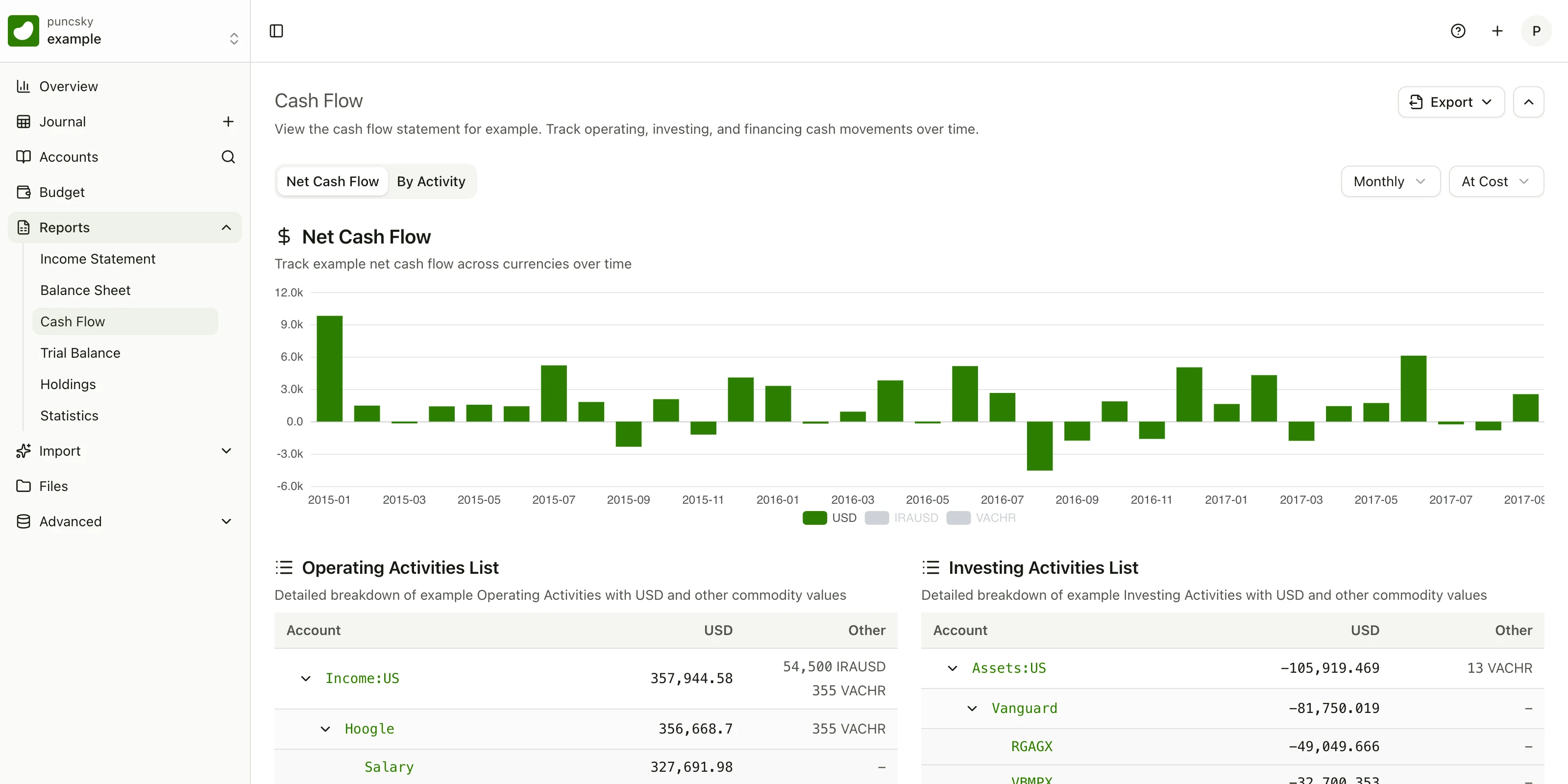
Váš výkaz ziskov a strát hovorí, že ste minulý štvrťrok dosiahli zisk 80 000 $. Váš bankový zostatok ukazuje, že máte na účte 12 000 $ a mzdy sú splatné v piatok. Ak vás táto medzera niekedy nenechala spať, problém nie je vo vašej ziskovosti – ide o to, že zisk a hotovosť sú dve úplne odlišné čísla a výkaz peňažných tokov je jediný výkaz vytvorený na ich zosúladenie.
Väčšina majiteľov malých podnikov už počula o výkaze peňažných tokov, ale nikdy ho skutočne nečítala, nehovoriac o tom, že by si všimli, že existuje v dvoch rôznych variantoch: priama metóda a nepriama metóda. Voľba medzi nimi nie je len otázkou formátovania. Mení to, čo vám správa hovorí, ako dlho trvá jej príprava a či ju môžete skutočne použiť na zodpovedanie dôležitej otázky: kam sa podeli moje peniaze?
Čo vlastne robí výkaz peňažných tokov
Každý výkaz peňažných tokov triedi vaše peňažné pohyby do troch kategórií:
- Prevádzkové činnosti — hotovosť z prevádzky hlavného podniku (platby od zákazníkov, faktúry od dodávateľov, mzdy, nájomné)
- Investičné činnosti — hotovosť použitá na nákup alebo predaj dlhodobého majetku (vybavenie, nehnuteľnosti, investície)
- Finančné činnosti — hotovosť z úverov, príspevkov vlastníkov alebo splácania dlhov
Investičné a finančné činnosti sa počítajú rovnakým spôsobom bez ohľadu na metódu. Celá debata o priamej vs. nepriamej metóde sa týka jednej sekcie: ako sa dostanete k "čistým peňažným tokom z prevádzkových činností".
Nepriama metóda: Spätná práca od zisku
Nepriama metóda začína čistým ziskom z vášho výkazu ziskov a strát a upravuje ho o položky, ktoré ovplyvnili zisk, ale nepohli skutočnou hotovosťou. Zjednodušený príklad:
Net income                          $80,000
Add: Depreciation & amortization    $15,000
Less: Increase in accounts receivable  ($22,000)
Add: Increase in accounts payable    $9,000
Less: Increase in inventory          ($18,000)
= Net cash from operating activities  $64,000
Odpisy sa pripočítavajú späť, pretože znížili zisk bez toho, aby skutočne opustili váš bankový účet. Nárast pohľadávok sa odpočíta, pretože predstavuje tržby, ktoré ste uznali ako príjmy, ale skutočne ste ich ešte nevybrali. Toto je presne logika zosúladenia, prečo môžu byť v tom istom štvrťroku pravdivé tvrdenia "ziskový na papieri" a "chudobný na hotovosť v skutočnosti".
Prečo ju používa takmer každý: nepriama metóda opätovne využíva čísla, ktoré už máte vo svojom výkaze ziskov a strát a súvahe. Odpisové plány, zostatky pohľadávok a záväzkov a počty zásob – všetky tieto údaje už váš účtovný systém sleduje. Žiadne nové záznamy na vytváranie. GAAP a IFRS ju obe povoľujú a je to prevažujúca priemyselná norma: štúdie podaní verejných spoločností dôsledne zistili, že približne 98 % používa nepriamu prezentáciu, najmä z dôvodu nákladov na prípravu.
Jej skutočná slabina: hovorí vám, koľko hotovosti vyprodukovali prevádzkové činnosti, ale nie odkiaľ skutočne prišla alebo kam odišla. "Nárast záväzkov: 9 000 $" vám nepovie, ktorých dodávateľov naťahujete, ani o koľko dní. Získate zosúladenie, nie príbeh.
Priama metóda: Ukazuje skutočné peňažné pohyby
Priama metóda preskakuje zosúladenie a jednoducho uvádza skutočné peňažné príjmy a platby:
Cash received from customers          $340,000
Cash paid to suppliers                ($210,000)
Cash paid for operating expenses       ($48,000)
Cash paid to employees                 ($18,000)
= Net cash from operating activities    $64,000
Všimnite si, že spodný riadok je totožný s príkladom nepriamej metódy – obe metódy sa musia vždy zosúladiť na rovnaký celkový súčet. Rozdiel je výlučne v prezentácii nad týmto riadkom.
Prečo ju účtovné štandardy skutočne uprednostňujú: GAAP aj IFRS výslovne podporujú priamu metódu, pretože čitateľom ukazuje skutočné peňažné príjmy a výdavky podľa kategórií – oveľa priamejšiu odpoveď na otázku "koľko hotovosti prišlo od zákazníkov tento mesiac?" alebo "koľko skutočne platíme dodávateľom?". Pre malý podnik, ktorý sa snaží naplánovať mzdy na budúci mesiac alebo vyjednať podmienky s dodávateľom, je táto špecifickosť často užitočnejšia ako zosúladenie.
Jej skutočná slabina: nemôžete ju jednoducho vybrať z existujúcich zostatkov účtov. Vy (alebo váš účtovný systém) musíte priamo sledovať peňažné príjmy a výdavky podľa kategórií – čo zvyčajne znamená buď vedľajšiu účtovnú knihu na hotovostnom základe, alebo softvér, ktorý dokáže filtrovať transakcie podľa protistrany a kategórie. To je viac práce s nastavením, čo je hlavný dôvod, prečo je v praxi zriedkavá napriek preferenciám tvorcov štandardov.
Ktorú metódu by mal teda váš malý podnik skutočne používať?
Úprimná odpoveď znie: závisí to od toho, na čo výkaz používate.
Použite nepriamu metódu, ak je vašou prioritou rýchlosť, váš účtovník ju už pripravuje v čase daňového priznania a potrebujete ju hlavne na vysvetlenie rozdielu medzi ziskom a hotovosťou veriteľovi alebo investorovi, ktorý je zvyknutý vidieť ju v štandardnom formáte. Je to tiež jediná praktická možnosť, ak vaše účtovníctvo nie je organizované tak, aby kategorizovalo každý peňažný príjem a výdaj hneď, ako nastane.
Zvážte priamu metódu, ak ste menší podnik s nízkym počtom transakcií – napríklad samostatný konzultant, maloobchodník s jednou prevádzkou alebo spoločnosť v ranej fáze s zvládnuteľným počtom mesačných transakcií – kde uvedenie skutočných príjmov a platieb nie je náročné, a špecificky chcete priebežný prehľad o hotovosti vybratej od zákazníkov oproti hotovosti zaplatenej dodávateľom pre krátkodobé plánovanie. Majitelia, ktorí potrebujú skutočnú viditeľnosť do dostupnosti hotovosti v blízkej budúcnosti, nielen historické zosúladenie, z nej majú zvyčajne väčší úžitok.
V praxi sa mnoho malých podnikov uchýli k hybridnému zvyku: nechajú svojho účtovníka vypracovať výkaz nepriamou metódou pre dane a veriteľov, zatiaľ čo interne vedú jednoduchý sledovač hotovosti priamou metódou (dokonca aj niečo také základné ako kategorizované bankové transakcie) pre týždenné rozhodnutia.
Časté chyby, ktoré podkopávajú ktorúkoľvek metódu
Bez ohľadu na to, ktorú metódu použijete, tieto chyby sa opakovane objavujú vo výkazoch peňažných tokov malých podnikov:
- Mýlenie si zisku s hotovosťou. Toto je chyba, ktorej má celý výkaz predchádzať, a stále je to tá najčastejšia – podnik môže byť ziskový a napriek tomu mu dôjdu peniaze, ak zákazníci platia neskoro alebo zásoby viažu prevádzkový kapitál.
- Nesprávna klasifikácia činností. Istina splátky úveru patrí medzi finančné činnosti; úroky patria medzi prevádzkové. Ich zmiešanie skresľuje všetky tri sekcie.
- Zabúdanie upraviť nepeňažné položky. Odpisy, amortizácia a odpisy nedobytných pohľadávok znižujú čistý zisk, ale nikdy sa nedotknú vášho bankového účtu – ich vynechanie (alebo dvojité započítanie) narúša zosúladenie.
- Neosúladenie so skutočnými bankovými zostatkami. Ak konečný zostatok vášho výkazu peňažných tokov nesúhlasí s vaším skutočným bankovým výpisom, niečo nie je v poriadku – zvyčajne ide o zmeškanú transakciu alebo časovú chybu medzi akruálnymi a peňažnými záznamami.
- Ignorovanie sezónnosti. Jediný silný mesiac môže spôsobiť, že peňažný tok vyzerá zdravo, zatiaľ čo pomalá sezóna sa chystá preveriť vaše rezervy. Pozrite sa na peňažný tok za posledných 12 mesiacov, nielen za najnovšie obdobie.
Príklad z praxe: Pekáreň, ktorá na papieri vyzerala dobre
Predstavte si pekáreň, ktorá práve ukončila silný sviatočný štvrťrok. Tržby vzrástli a výkaz ziskov a strát ukázal čistý zisk 50 000 USD po úspešnom veľkoobchodnom vstupe do troch nových potravinárskych obchodov. Majiteľ predpokladal, že bankový účet to odzrkadlí.
Nezdalo sa. Hotovosť bola v skutočnosti za štvrťrok o 6 000 USD nižšia. Výkaz peňažných tokov nepriamou metódou ukázal prečo v troch riadkoch: nárast pohľadávok o 28 000 USD (nové potravinárske obchody platili s 45-dňovou lehotou namiesto platby pri dodaní), nárast zásob o 11 000 USD (extra múka a obaly kúpené pred sviatočným náporom), čiastočne kompenzovaný odpismi vo výške 9 000 USD pripočítanými späť za novú kysiareň. Nič z toho sa neobjavuje vo výkaze ziskov a strát – zisk bol reálny, ale jeho veľká časť spočívala v nezaplatených faktúrach a uskladnených zásobách namiesto v banke.
Výkaz priamou metódou za rovnaký štvrťrok by ten istý príbeh urobil konkrétnejším: „180 000 USD vyzbieraných od zákazníkov“ oproti „205 000 USD zaplatených dodávateľom a 31 000 USD zaplatených za novú pec“ majiteľovi okamžite hovorí, že platby dodávateľom a nákupy vybavenia prekonali skutočné inkaso – čo je presne ten typ informácie, ktorá podnieti rozhovor s týmito potravinárskymi obchodmi o sprísnení platobných podmienok, namiesto nejasného pocitu, že „hotovosť je na tesno“.
Sledovanie peňažných tokov začína čistým účtovníctvom
Nech už si zvolíte ktorúkoľvek metódu, výkaz je len tak dobrý, ako sú dobré podkladové záznamy, ktoré ho napájajú. Ak váš účtovný rozvrh jasne neoddeľuje transakcie na báze peňažných tokov od akruálnych záznamov, obe metódy budú vyžadovať manuálne úpravy v každom vykazovanom období.