#cash-flow
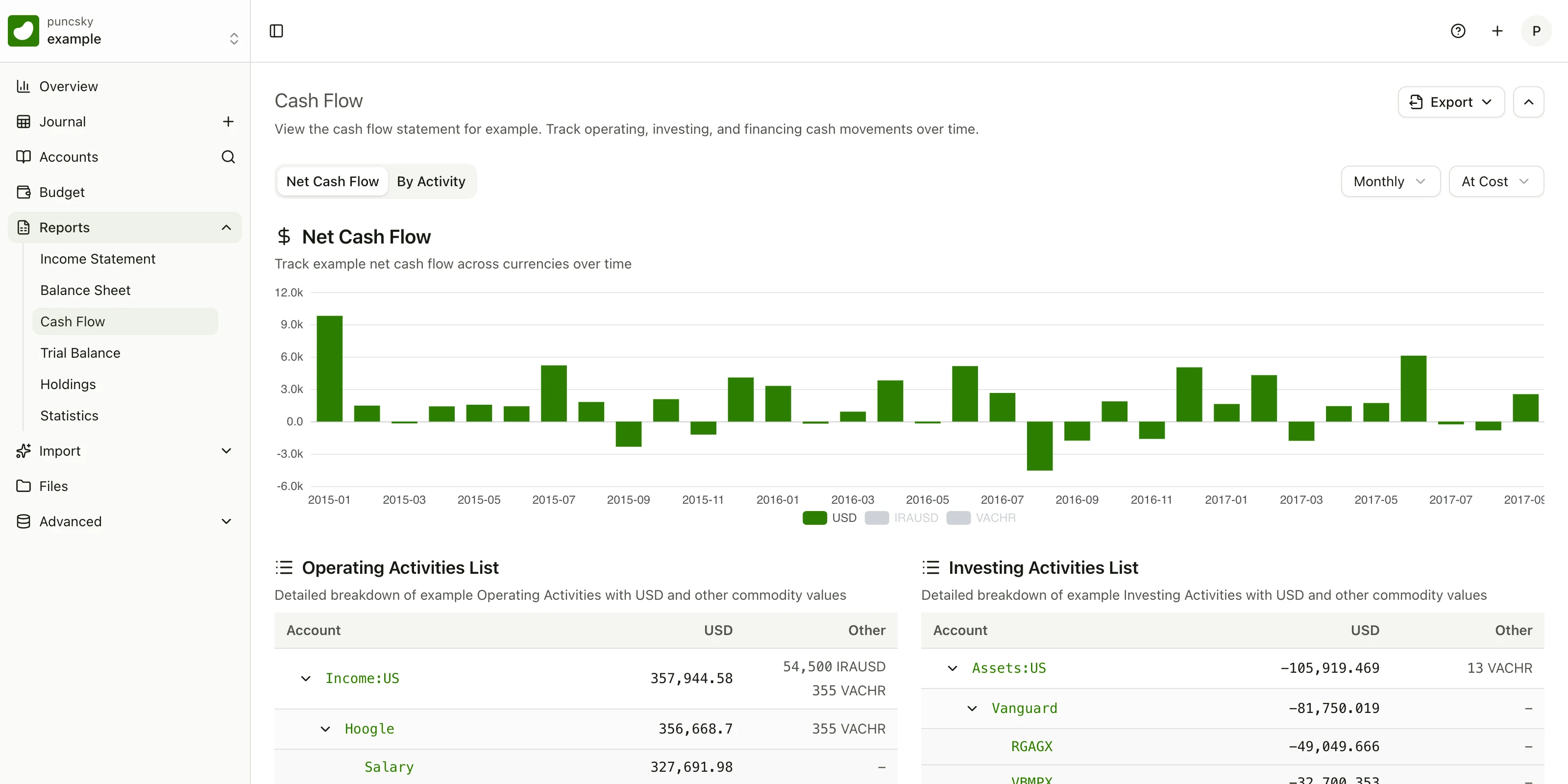
Cash Flow
Track and optimize cash flow for better financial health and stability
Nacha Raises the Same Day ACH Limit to $10 Million: What It Means for Small Businesses
Nacha will raise the Same Day ACH per-payment limit from $1 million to $10 million on September 17, 2027, matching RTP and FedNow. Here's how the change affects small-business payments, why business accounts lack Regulation E fraud protections, and five controls to put in place before the new ceiling arrives.
Profit First for Small Businesses: How the Five-Account System Fixes Cash Flow
The Profit First method flips Sales − Expenses = Profit into Sales − Profit = Expenses, routing revenue through five bank accounts (Income, Profit, Owner's Pay, Tax, OpEx) on a twice-monthly cadence. This guide covers target allocation percentages by revenue band, the real-revenue calculation that trips up contractors, common failure patterns, and where the system's critics have a point.
QuickBooks Just Made Payroll Tax Withdrawals Automatic — Here's What It Does to Your Cash Flow
As of July 1, 2026, QuickBooks Online Payroll withdraws payroll tax funds the moment you run payroll — not on the IRS due date — with no opt-out. Here's who the change hits hardest, why the lost float matters, and five concrete steps to protect your cash flow.
When Does a Senior Living Placement Agency Actually Earn Its Referral Fee? A Revenue Recognition Guide
Senior living placement agencies earn 70–80% of a resident's first month's rent — but only at move-in, and often subject to 30-day clawback clauses. This guide explains when to recognize referral fee revenue under ASC 606, how to book refund liabilities from your historical clawback rate, and which pipeline metrics predict cash flow.
Urgent Care Clinic Bookkeeping: Why One Wrong Code Can Sink a Month's Revenue
Urgent care bookkeeping hinges on details generic templates miss: the POS-20 place-of-service code that sets the reimbursement rate (and triggers denials at payers who contract clinics as offices), denial-reason tracking for the ~60% of billing work that happens after claim submission, and Section 179's $2,560,000 limit plus permanent 100% bonus depreciation for X-ray and lab equipment in 2026.
Your Amended Business Tax Return Now Takes Over a Year to Process — Here's Why, and How to Protect Your Cash Flow
The National Taxpayer Advocate's 2025 Annual Report to Congress found the IRS took over 13 months on average to process 1.6 million business amended returns, after a 27% workforce cut left the Small Business/Self-Employed division down nearly 38%. Here's what the report says and six concrete steps to shield your cash flow.
The SBA Just Sunset the SBSS Score — How 7(a) Small Loan Underwriting Works Now
As of March 1, 2026, the SBA eliminated the mandatory FICO SBSS score prescreen for 7(a) Small Loans of $350,000 or less, replacing the single national cutoff (most recently 165) with lender-specific credit models and a new 1.1x minimum debt service coverage ratio — here's what changed, why approval criteria now vary by bank, and how to prepare your financials before applying.
How to Read an Accounts Receivable Aging Report: 30/60/90-Day Buckets Explained
An AR aging report sorts unpaid invoices into current, 1–30, 31–60, 61–90, and 90+ day buckets so you can spot cash flow risk early. Healthy businesses keep 70–80% of receivables in the first two buckets; collection odds drop below 70% past 90 days. Here's how to read the buckets, run a weekly collections workflow, and turn the report into a cash forecast.
Business Line of Credit vs. Term Loan: How to Match the Financing to the Need
A term loan charges interest on the full lump sum from day one; a line of credit only charges for what you draw. This guide compares 2026 rates (bank term loans 6.8%–11%, SBA 7(a) 9.75%–13.25%, bank lines 8%–14%), qualification bars, and a three-question framework for choosing the right product.
Co-Packer Bookkeeping for Food and Beverage Brands: Finding Your True Cost Per Unit
A co-packer's quoted per-unit price can understate real landed cost by 36% once fixed per-run charges, setup fees, and MOQ economics are counted. How food and beverage brands should classify contract-manufacturing costs as COGS, handle turn-key vs. tolling arrangements, and avoid the 5–10 point gross-margin overstatement that misclassification causes.
Colorado HB26-1223: How Restaurants Keep Their Sales Tax in July, August, November, and December
Colorado's HB26-1223, signed June 4, 2026, lets qualifying food and drink retailers deduct up to $14,000 of monthly net taxable sales from state sales tax in July, August, November, and December of 2027 and 2028 — worth up to about $3,248 — plus a prepared-food utility exemption or 0.5% credit starting July 1, 2026. Here's who qualifies and how to record it.
Environmental Remediation Contractor Bookkeeping: Job Costing When a State Cleanup Fund Pays the Bill
How environmental remediation contractors should structure job costing when a state UST cleanup fund — not the property owner — is the real payer. Covers the five remediation phases as cost codes, ASC 606 collectibility with fund caps and deductibles, tracking 6-to-8-week reimbursement aging separately from ordinary AR, and the documentation that survives a fund audit.